
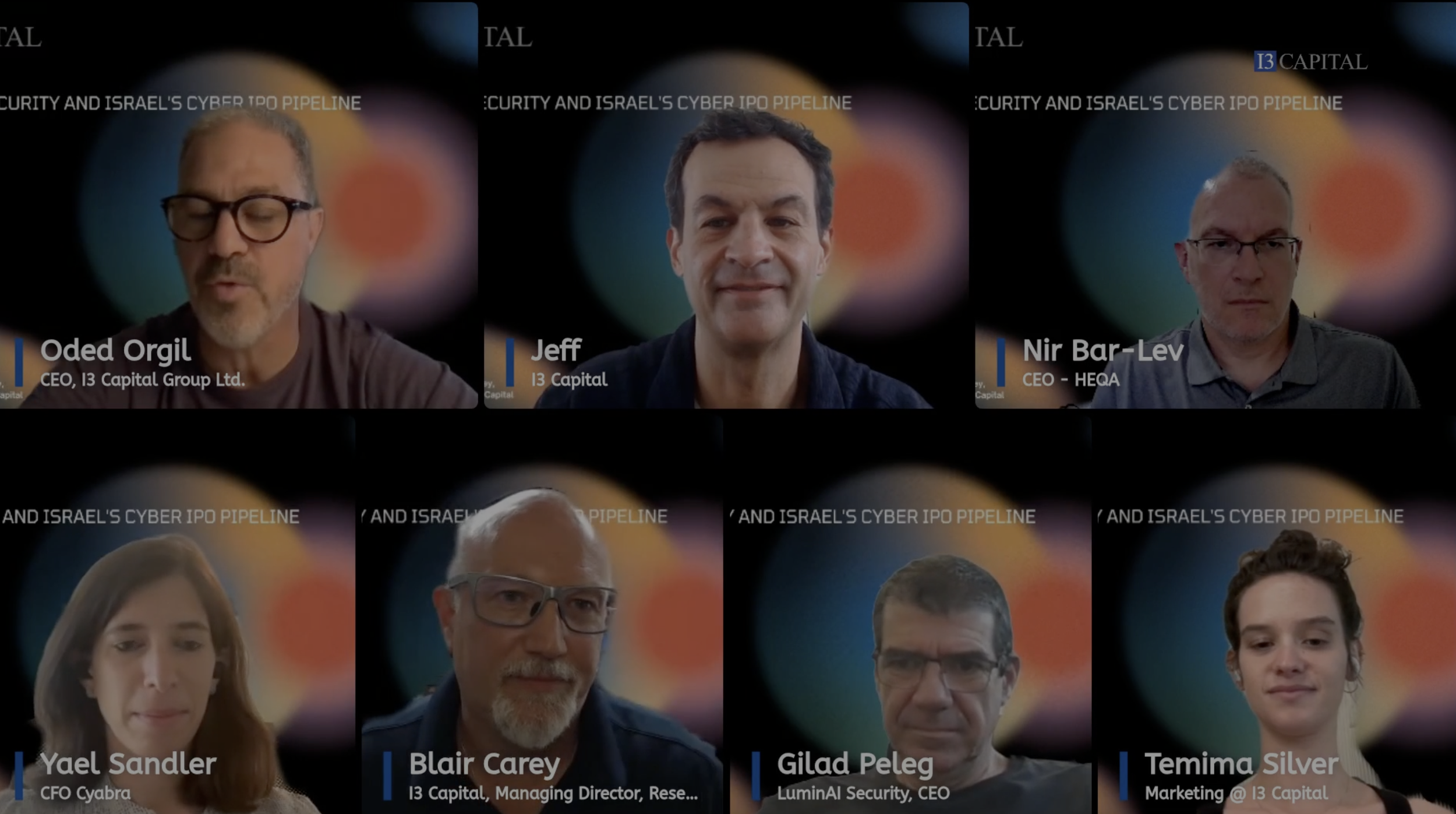
Israeli Cybersecurity, Who Can You Trust Now? : My takeaways from I3’s Webinar
Reading back through our recent cybersecurity panel, I kept coming back to one question: what, exactly, are we asking people to trust? Cyabra, HEQA and Lumin AI Security approached that question from different directions. One focused on the people and narratives we encounter online, another on the links carrying sensitive data and the third on the AI models inside an organization.
Three companies. Three different problems. But the discussion made a useful distinction: protecting access to a system does not, by itself, establish that we can trust the information, infrastructure or intelligence inside it.
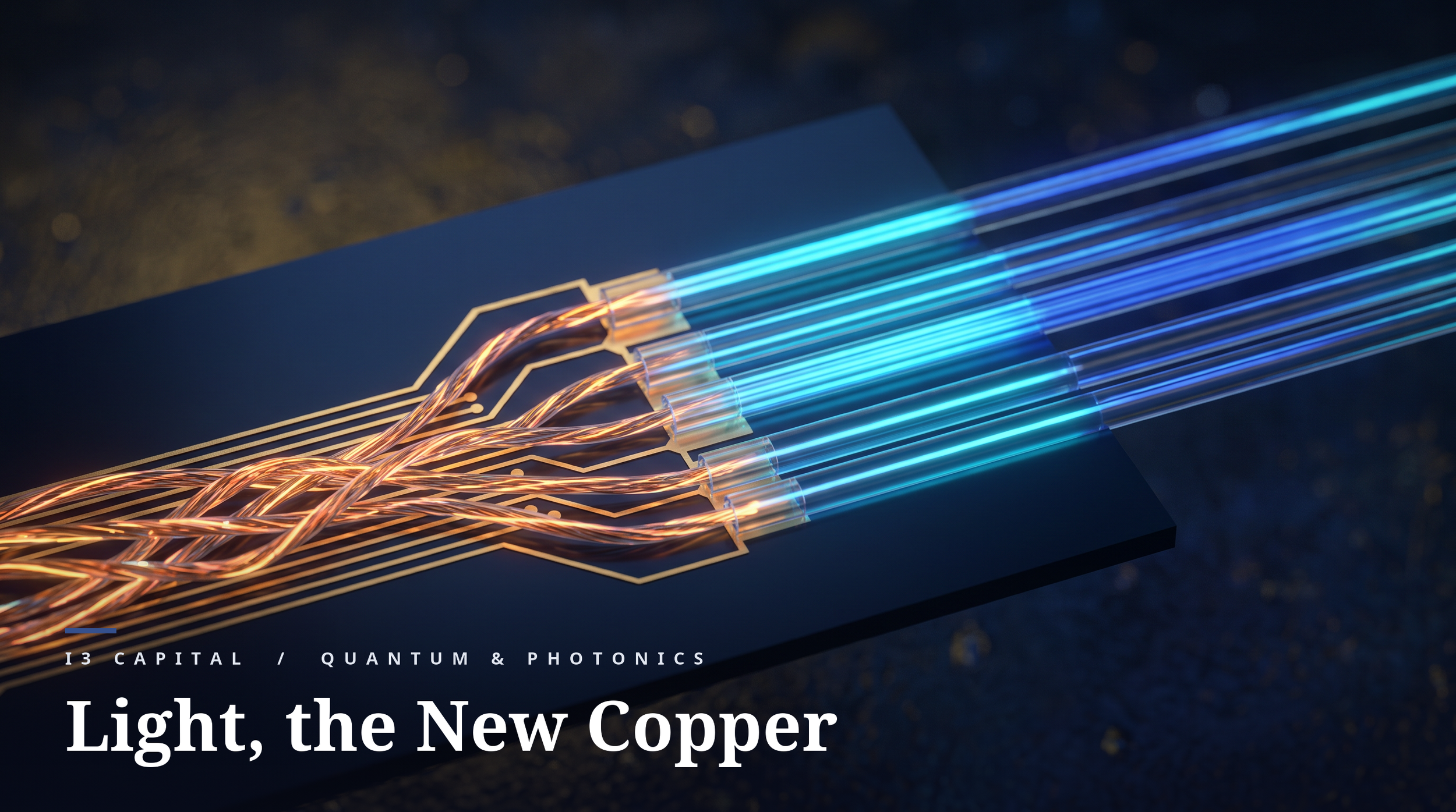
Light is the new Copper
Photonics is already a trillion dollar industry holding up the AI boom. Quantum will borrow its supply chain
The easiest way to understand photonics is to look inside an AI data center rack. The expensive part is not the servers (although they are pricey), it is the spaghetti of fiber optic cables connecting them, and the transceivers at each end that turn electrical signals into light and back again. Those little metal plugs cost more per port than the silicon they connect to. That is the photonics industry in one image.
According to multiple sources, the global photonics market crossed roughly one trillion dollars in 2025. Consulting says the industry is around $1,094 billion, . By the count, core optics and photonics components alone reached $381 billion in 2024, underpinning a much larger market of products enabled by photonics. Lasers held about 38 percent of the market in 2025, by
So the photonics business is a mature, trillion dollar industry, and most people have never heard of it.

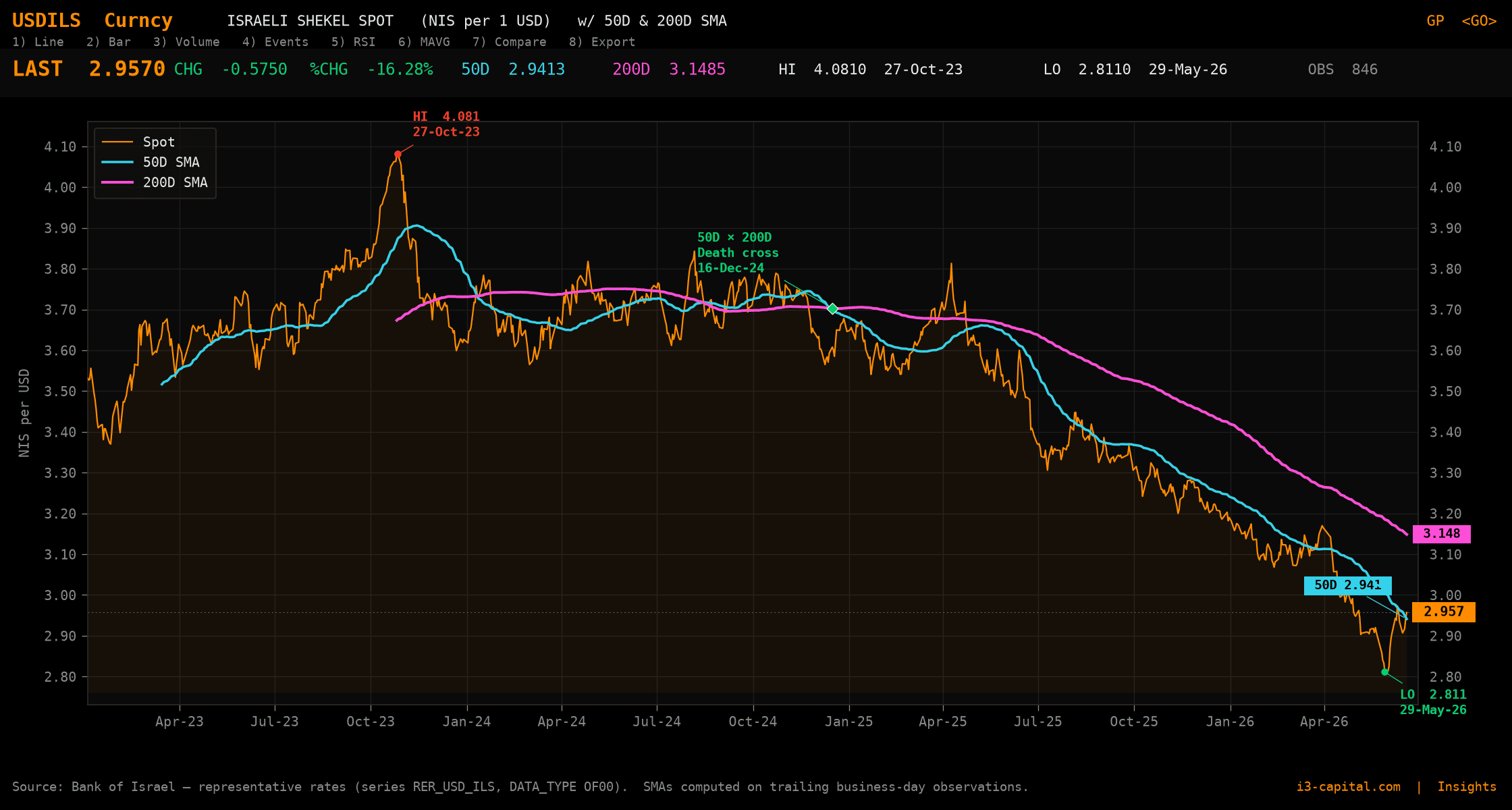
What is going on with the NIS?
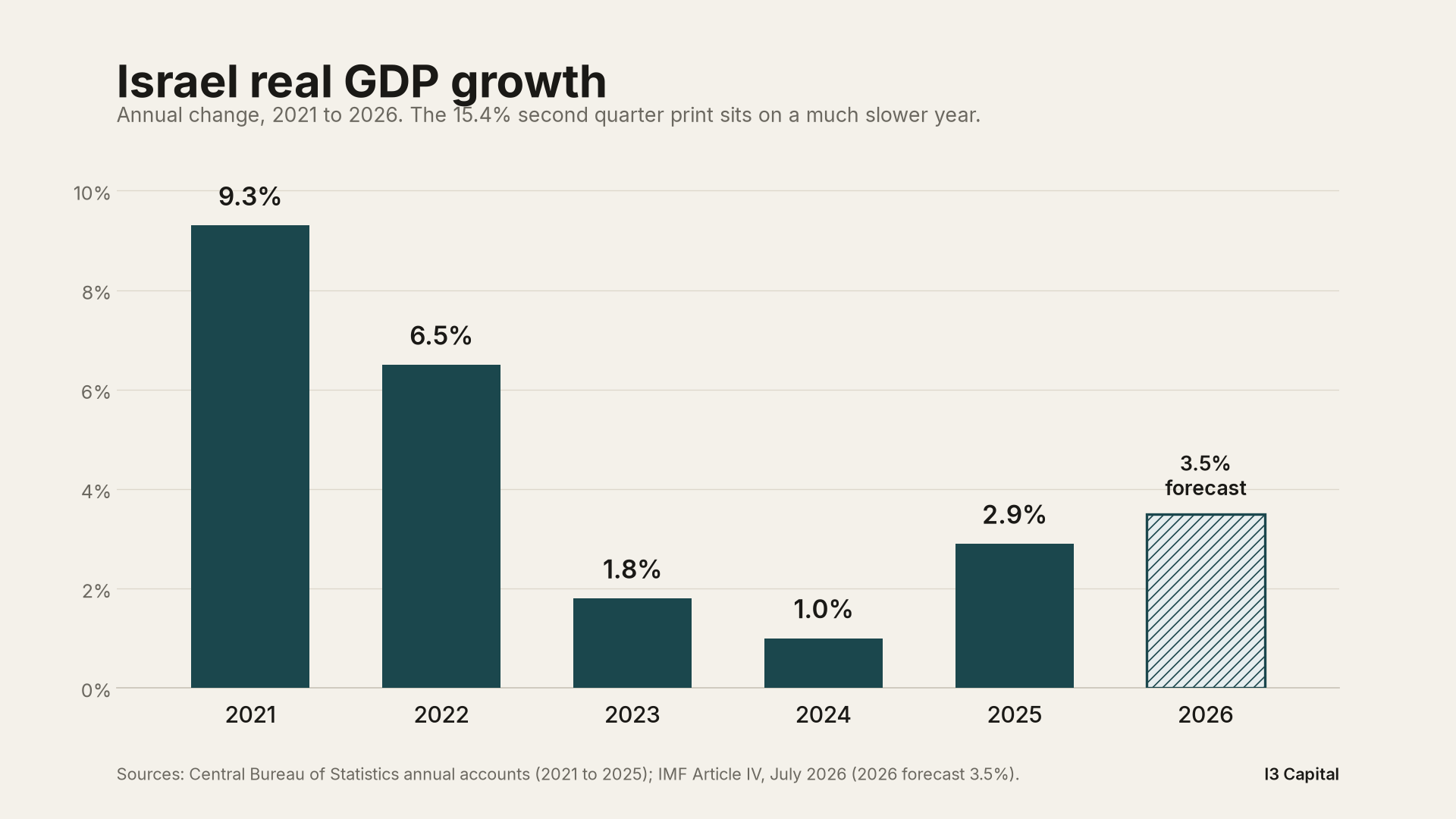
In case you've been stuck in a bunker for the last 18 months (that's totally possible), you'll realize that the New Israel Shekel (NIS) had appreciated dramatically against its US counterpart the US dollar (USD). There have been a number of articles posted on X and other Social Media platforms as well as articles in CalcalistTech and Globes about the challenges of this rate. I was curious of the cause of this dramatic shift and as result, I did what most analysts would do, I looked at the numbers.

Hey, wanna buy some Anthropic Stock?
The secondary market for the hottest AI stocks just froze. In this article Blair Carey describes why


Nasdaq Capital Market vs. NYSE American?
Comparison of NASDAQ and NYSE American for Dual Listings of Small Cap companies